Whakapūmautanga: Whānau Reunite to Strengthen Foundations at Landmark Wānanga
- Feb 26
- 3 min read
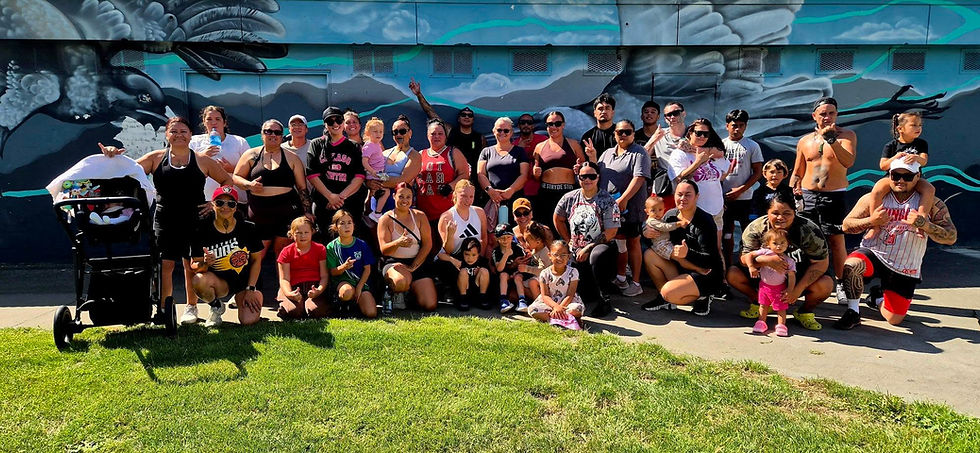
More than 250 whānau members gathered in a powerful celebration of whakapapa, identity and belonging at the recent Whakapūmautanga – Strengthening Our Foundations Wānanga, delivered in partnership by Te Kupenga a Potamia raua ko Tamanohorakau Charitable Trust and The Meke Foundation.
Held across multiple sites and culminating in a shared hākari, the four-day event brought together 259 attendees from across Aotearoa and Australia. Participants travelled from Hawke’s Bay (150), Rotorua (30), Auckland (20), Wellington (15), other regions including Whanganui, Whakatāne, Christchurch and Northland (10 combined), and 30 from Australia.
“It was the first time many of our whānau had stepped foot back on their own marae,” organisers reflected. “To see generations standing together on their whenua was incredibly powerful.”
The wānanga was intentionally intergenerational. Of the 259 attendees, 95 were under 12 years old, 40 were aged 13–17, 95 were adults aged 18–59, and 29 were kaumātua aged 60+. The event was supported by kaupapa-aligned partners including Kahuranaki Horizons Ltd, Te Aho Tapu Charitable Trust and Sport Hawke’s Bay.
Removing Barriers, Strengthening Bonds
A key feature of Whakapūmautanga was affordability. Attendance was set at just $10 per person ensuring financial barriers did not prevent participation.
“People could afford to attend and did not have that financial burden,” one participant shared during the feedback session. “That made all the difference.”
The impact extended across all dimensions of hauora:
Physical: Walking the maunga, playing sport with tamariki and kaumātua.
Mental: Deepening connection to whenua and identity.
Social: Reconnecting with whānau not seen for years.
“For many of us, this was about learning more about who we are,” a rangatahi participant said. “There was a real sense of belonging.”
Others spoke about simple but profound moments.“Tamariki running around with their cousins — some meeting for the first time — that was special,” one whānau member reflected.
Another added, “Doing mahi together gave us time to kōrero. We’ve missed that.”
Day One: Whakapapa Comes Alive
The wānanga opened with a pōwhiri welcoming whānau near and far. The following whakapapa session was described as emotionally impactful and engaging, particularly for tamariki and rangatahi.
“The use of play and drama captivated our young people,” organisers noted. “It made our stories feel real and alive.” Strong waiata supported the presentation, reinforcing shared identity and pride.

Day Two: A Bucket-List Hīkoi
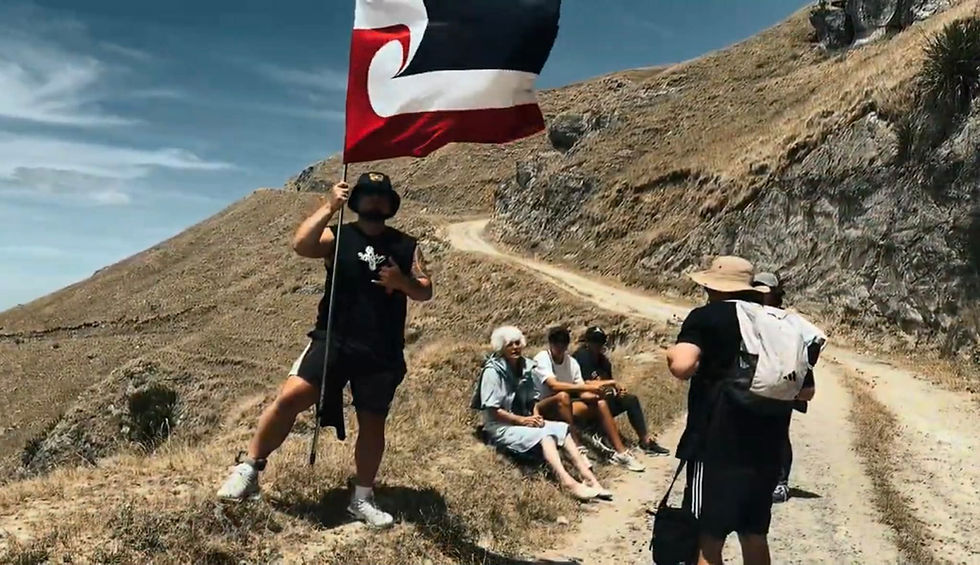
Day Two centred on a five-hour hīkoi up Kahuranaki maunga. For many, walking their ancestral maunga was a once-in-a-lifetime experience.
“This was a bucket-list moment,” one kaumātua shared. “To stand at the top with my mokopuna — that’s something I’ll never forget.”
Support vehicles ensured kaumātua could reach the summit, reinforcing the inclusive approach taken throughout the event.
The afternoon shifted to Cornwall Park for pizza and connection, followed by a meaningful urupā visit.
“There was a lot of kōrero shared,” organisers noted. “We connected with our tipuna and remembered those we have lost.”

Day Three: Resilience and Celebration
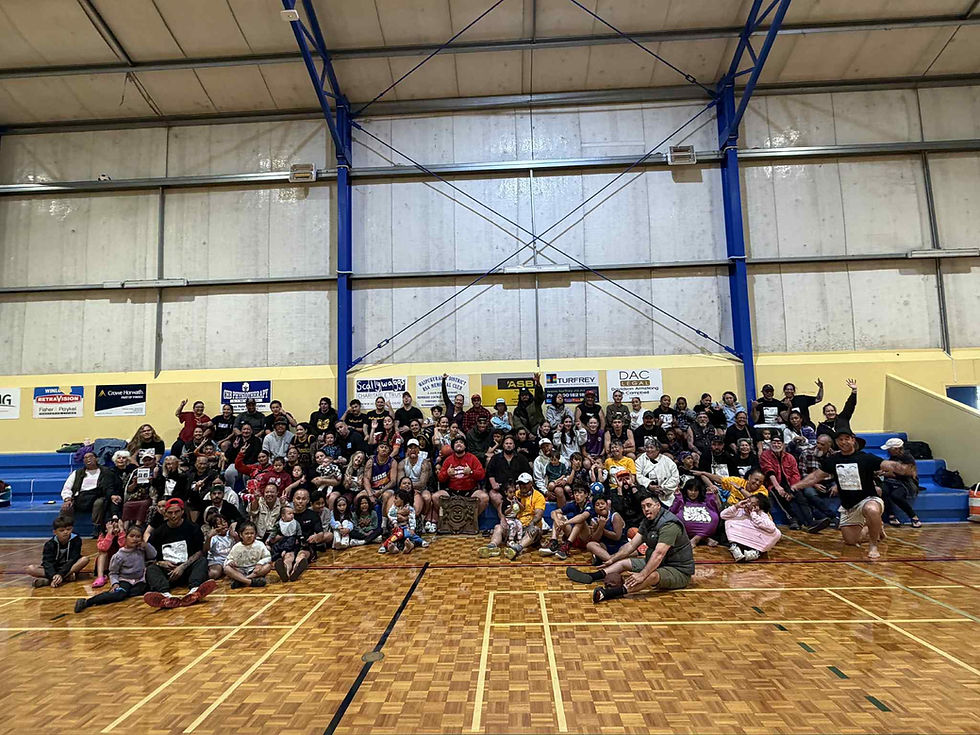
Severe weather forced a venue change from Sylvan Road Park to the Waipukurau Gym, but the shift did not dampen spirits.
“There was healthy competition and plenty of laughter,” said one participant. “You could feel the energy in the gym.”
Teams competed in basketball, relays and tug-of-war, with Team Potamia taking home the Te Whetu Trophy.
The evening concluded with a delayed but celebratory hākari and poroporoaki.
“After such a vigorous few days, sharing kai together felt like the perfect ending,” one organiser said.
Looking Ahead
Whakapūmautanga was more than a gathering — it was a strategic investment in whānau identity and intergenerational wellbeing.
Future aspirations include publishing a commemorative pukapuka and hosting a wānanga of similar scale every five years, with the next envisioned for 2030.
“We want to keep moving forward together and build off this foundation,” organisers shared. “This is only the beginning.”
In a world where whānau are often separated by geography and circumstance, Whakapūmautanga proved what is possible when barriers are removed, identity is centred, and connection is prioritised.
As one participant simply put it:“We came home.”


Comments